
Reimagining PE: Non-Traditional Units to Expand Your Curriculum

SPARK
Every PE program has its tried-and-true units. Basketball, soccer, volleyball, fitness, and other foundational activities play an important role in helping students develop essential skills and knowledge.
But if you've been teaching for any length of time, you know that keeping students engaged often requires introducing something new. Whether it's a new piece of equipment, a creative way to use the equipment you already have, or a sport that students have never experienced before, fresh activities can spark excitement and help every student find a way to connect with movement.
The key is ensuring these experiences aren't just novel; they're purposeful. The best non-traditional units keep students moving, support moderate-to-vigorous physical activity (MVPA), reinforce standards-based learning objectives, and fit naturally within your scope and sequence.
The good news? You don't need to reinvent your entire curriculum. Small additions can make a big impact, helping students stay engaged while expanding their understanding of what physical activity can look like throughout their lives.
Here are a few ideas (and samples) to inspire your next unit.
Early Childhood & Elementary: Adventure and Imagination
Younger students thrive when movement is paired with creativity and exploration. Consider introducing manipulative activities, cooperative games, SEL lessons, and rhythmic movement experiences.
These units help students develop fundamental movement skills while encouraging creativity, problem-solving, and teamwork. Because the focus is often on participation rather than competition, students can experience success regardless of skill level.
This unit may be Halloween-themed, but the activity structure works all year long. Reimagine it as Astronauts and Asteroids, Sharks and Swimmers, or create a version inspired by your school mascot for a fresh twist students will love.
Free Download
Zombie Graveyard — Early Childhood & Elementary sample unit
Upper Elementary: New Ways to Move and Play
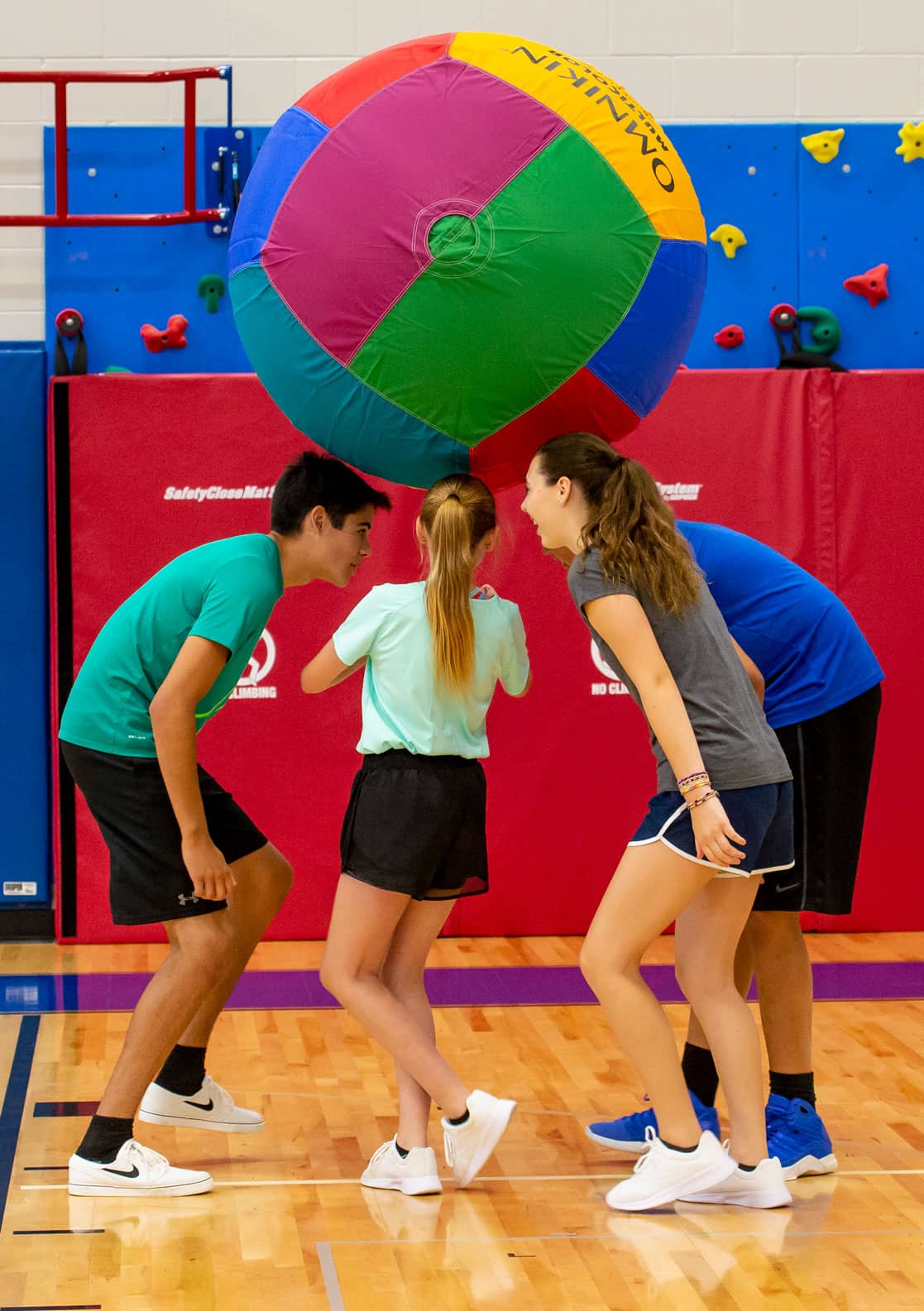
As students grow, they are ready for activities that challenge them physically while allowing them to explore new interests. Try incorporating Omnikin® games, dance and cultural movement activities, lawn games, cupstacking, or cooperative team-building challenges.
These experiences help students build confidence, communication skills, and a sense of belonging while keeping participation high.
This cooperative challenge uses a simple piece of equipment in creative ways to build communication, teamwork, and problem-solving skills. Students work together to transport objects and complete group challenges, proving that meaningful movement experiences don't always require traditional sports.
Free Download
Noodle Movers — Upper Elementary cooperative challenge sample
Middle School: Choice, Exploration, and Engagement
Middle school is often where students begin forming lifelong attitudes toward physical activity. Offering greater variety can help students discover activities they genuinely enjoy. Consider units such as pickleball, disc golf, geocaching and outdoor recreation, backyard games, team-building initiatives, and games from around the world.
These units create opportunities for students to experience success, develop personal interests, and connect physical activity to life outside of school.
Cricket introduces new rules, strategies, and cultural connections that encourage curiosity and engagement. This modified version combines striking, throwing, catching, teamwork, and game strategy while exposing students to a globally popular sport they may have never experienced before.
Free Download
Modified Cricket — Middle School sample unit
High School: Preparing Students for Lifelong Activity
High school PE provides an opportunity to introduce activities students can continue well beyond graduation. Popular non-traditional units include pickleball and paddle sports, yoga and mindfulness, orienteering and navigation challenges, personal fitness planning, adventure education, and lifetime leisure activities.
By exposing students to a broad range of options, educators can help them find activities they enjoy and are more likely to pursue throughout adulthood.
Orienteering challenges students to combine physical activity with critical thinking as they practice pace counting, map reading, navigation, and teamwork. Activities like this help students develop practical outdoor recreation skills that can be applied long after graduation, while demonstrating that being active doesn't always look like playing a traditional sport.
Free Download
SPARK HS Orienteering L6 — High School sample lesson
Why Non-Traditional Units Matter
Adding variety to your curriculum does more than keep lessons interesting. When students see physical activity as something broader than traditional sports, they're more likely to find meaningful ways to stay active both in and out of school.
Learn More in Our Free Webinar
Looking for practical ideas and ready-to-use strategies? Join our webinar, Reimagining PE: Non-Traditional Units to Expand Your Curriculum, where we'll explore creative units, implementation tips, and ways to bring new energy to your program. You'll walk away with innovative ideas that can help increase participation, inspire students, and expand what's possible in physical education.
New Professional Development Workshop Available
Want to take a deeper dive with your team? SPARK now offers a new professional development workshop focused on implementing non-traditional PE units and creating engaging movement experiences for all students. Participants will explore innovative activities, curriculum planning strategies, and practical approaches for bringing more variety, inclusion, and excitement into their PE programs.
When thoughtfully integrated into your curriculum, non-traditional units can increase participation, introduce new skills, and help more students discover activities they'll enjoy long after they leave your gym. We're here to help!
About the Author
SPARK— Physical Education Specialists
SPARK is dedicated to creating, implementing, and evaluating research-based programs that promote lifelong wellness. The organization strives to improve children's and adolescents' health by disseminating evidence-based physical activity and nutrition programs.