


February is National Heart Month, a perfect time for educators to celebrate movement, spark conversations about heart health, and elevate the role physical education plays in lifelong wellness. To support your classroom this month, we’re sharing a free SPARK lesson download, Hearty Hoopla, a high‑energy aerobic game that keeps students in MVPA, reinforces safe movement, and makes heart‑healthy activity fun.
Heart Health Starts with Movement
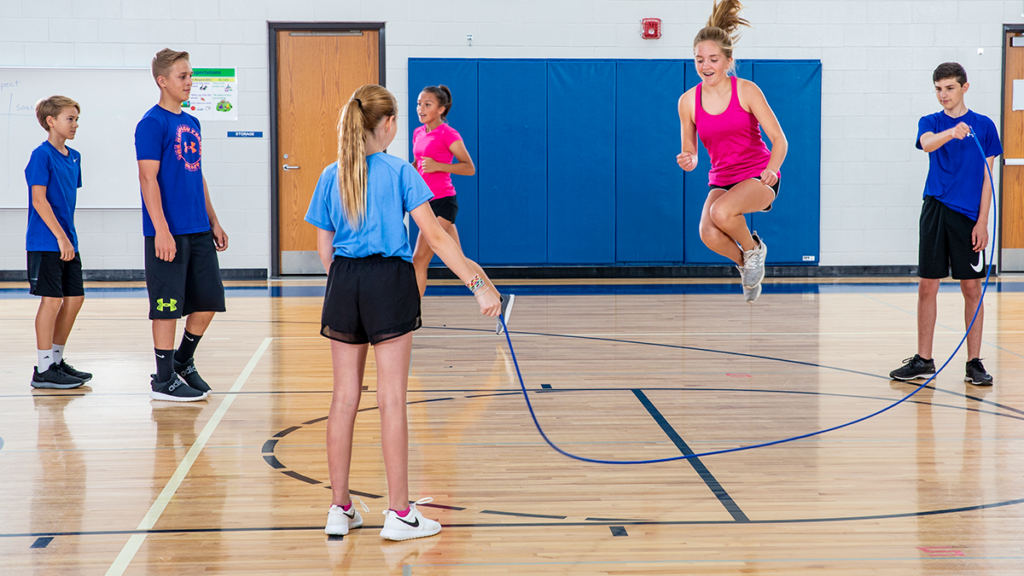
One of the most powerful ways to protect the heart is through regular movement. Moderate to Vigorous Physical Activity (MVPA) plays a major role in lowering the risk of heart disease, improving circulation, strengthening the heart muscle, and supporting healthy weight management.
For students, the benefits go even further: improved mood, sharper focus, better sleep, and higher confidence in their physical abilities. By helping students understand how movement affects their heart rate and overall fitness, we empower them with knowledge they can carry for life.
MVPA: A Benchmark for Quality Physical Education
MVPA isn’t just a valuable wellness tool; it’s also a nationally recognized benchmark for quality physical education. It’s widely used in research, program evaluation, and funding opportunities because it provides a clear, measurable indicator of student engagement and physical activity levels.
Bringing MVPA to Life in Your Classroom
Supporting MVPA doesn’t need to be complicated. Here are a few practical, high-impact strategies you can use right away:
- Use activities that naturally increase movement: Games like Hearty Hoopla encourage constant motion, quick transitions, and teamwork, keeping heart rates up without sacrificing fun or structure.
- Teach heart rate in student‑friendly ways: When students learn to monitor their heart rate, they gain ownership of their fitness. Simple tools, such as pulse checks, color-zone posters, or heart rate monitors, help them understand intensity and set personal goals.
- Build routines that maximize time spent being active: Quick warm-ups, short transitions, and clear task instructions reduce downtime and increase movement.
- Offer choice and inclusive adaptations: Providing multiple movement options allows all learners to engage meaningfully, regardless of ability, comfort level, or experience.
Want to learn practical strategies, ready-to-use activities, and simple assessment tools that make heart rate instruction engaging and accessible for every student? Check out our brand‑new webinar: Pump Up Learning: Using Heart Rate to Teach Fitness Concepts in PE. It’s the perfect companion to your Heart Month lessons, and a great way to deepen your understanding of how heart rate connects to movement and MVPA.